

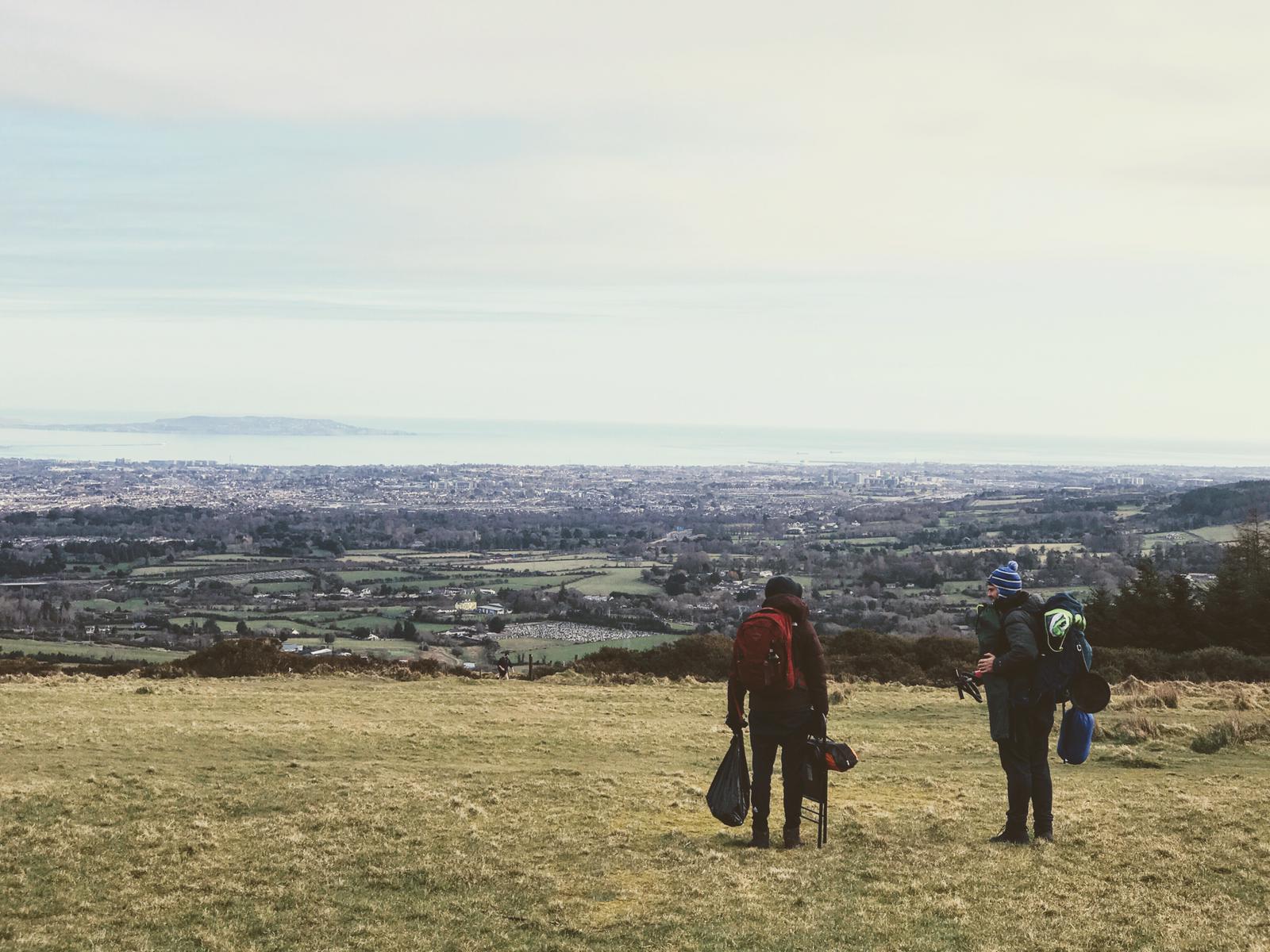
The world is on fire. The nations most affected are overwhelmingly low- and middle-income countries that have contributed the least to global emissions but suffer disproportionately. In the midst of this enormous inter-generational climate crisis, attention needs to turn to who the main contributors to this problem are and how we can start to navigate ourselves out of this situation.
No better place to start than at home. The average person in Ireland emits roughly 10.3 to 10.4 tonnes of greenhouse gases per year. This rate is around 50% higher than the EU27 average of about 6.9 tonnes per person. It is even higher again in comparison to the average for continents such as Asia, Africa and South America. Most Irish people thankfully recognize this as a big problem and that as a country we need to do more. But Ireland cannot cut emissions by simply pointing the finger at corporations and expecting things to change.
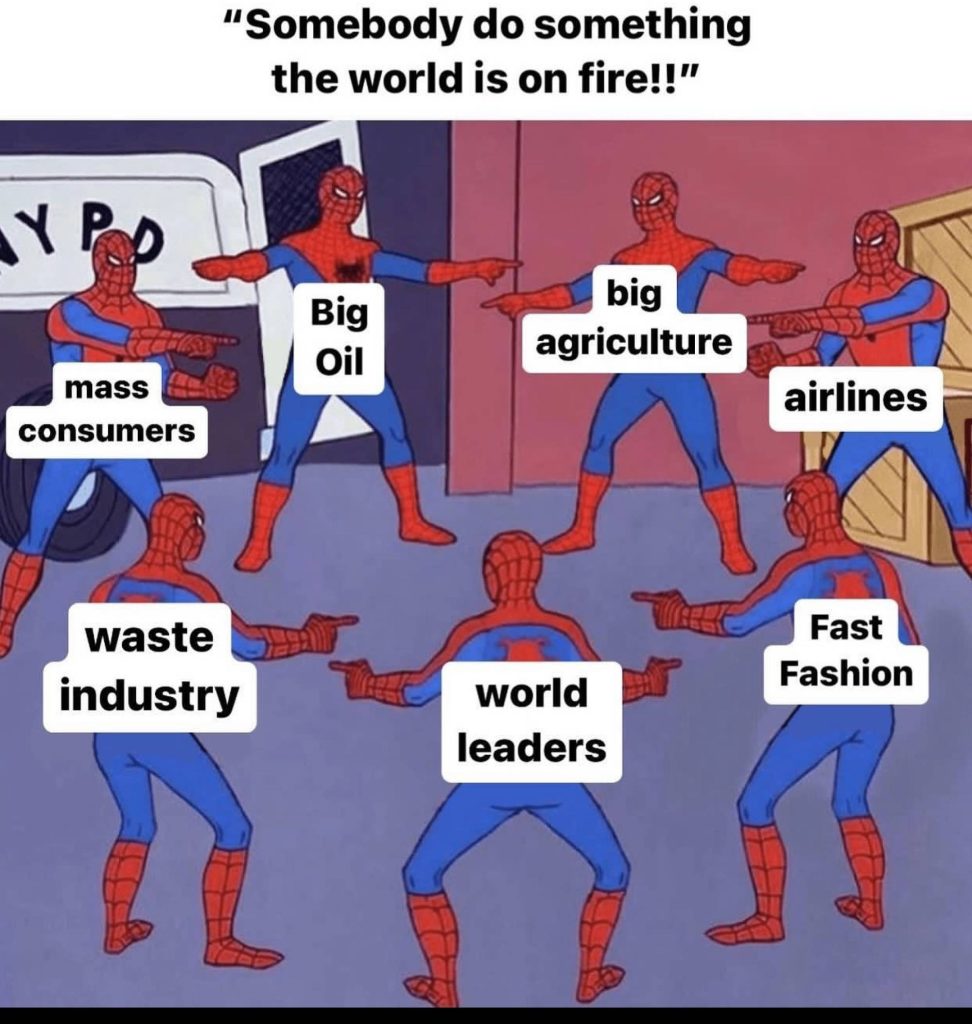
We also cannot be asking ordinary families to make all the sacrifices while the wealthiest households and the biggest polluters continue much as before. If we are serious about tackling climate change, we need to tackle the problem using the language that everyone from individuals to giant corporations understands. Money. And we can do so via taxation and re-directed investment.
Our tax system should reward sustainable choices and ensure those with the greatest environmental footprint contribute the most to getting us out of this mess.
Whilst not a panacea for solving the climate crisis, here are 5 measures I believe could make a big difference.
1. A Weight Based Tax on New Heavy Vehicles
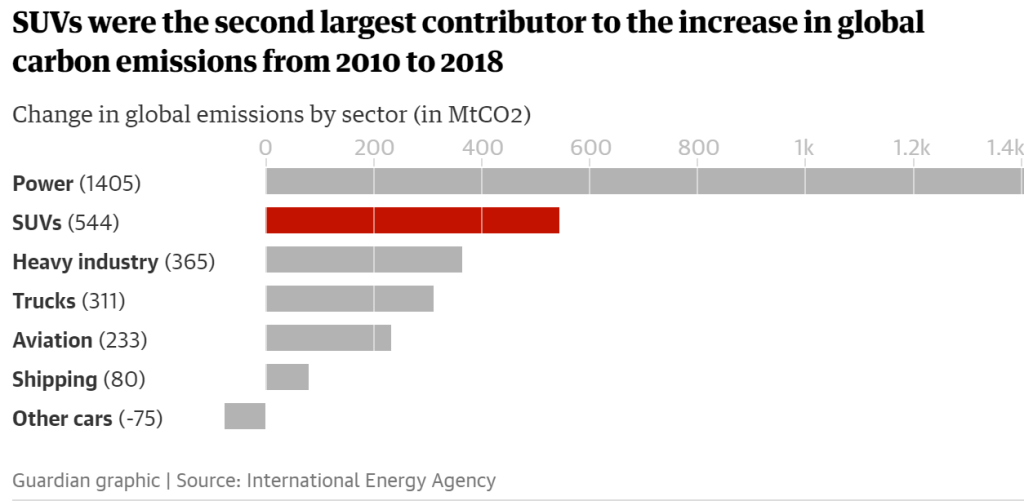
Vehicle emissions are no longer just about the fuel they use. Even electric SUVs can weigh well over two tonnes, creating more tyre pollution, more road wear and requiring more energy, road space and raw materials to manufacture.
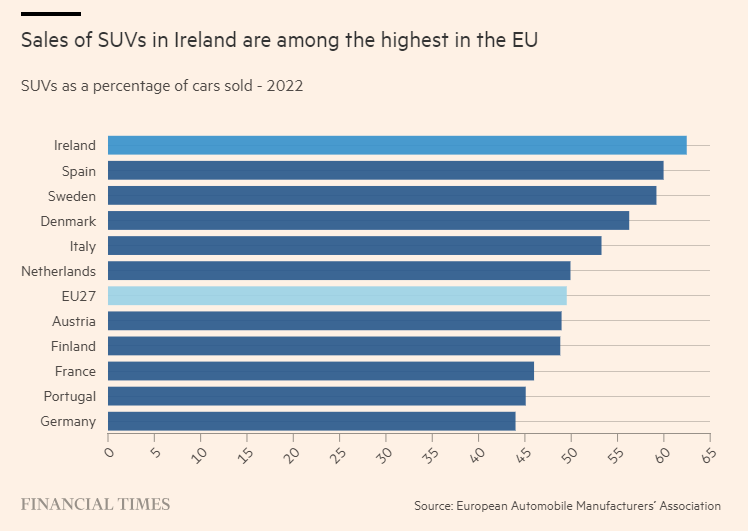
As our vehicles continue to get bigger, Ireland should introduce a weight based registration tax on all new vehicles (not second-hand) over a certain weight threshold. Heavier vehicles would pay more because they place greater pressure on our roads and consume more resources throughout their lifetime.
This is not an attack on families, rural communities or urban commuters with no reasonable alternatives. It is an incentive for manufacturers and consumers alike to favour lighter, safer, more efficient cars. Journalistic coverage of their harm has been somewhat limited, though national broadcaster RTE updates annually an article which calls for their dominance to end.
Reinvestment: The revenue should be invested directly into better public transport, rail, safe cycling infrastructure and pedestrian friendly streets with greater permeability between communities and driving conditions for those for whom public transit will never be a viable option. As for those who are asked to drive less, they should be given practical alternatives, and we can better deliver these alternatives with better funding.
For more, see the petition here: https://www.equityeire.ie/petition
2. A Dedicated Wealth Tax on Super Wealth
Climate change is not just an environmental issue. It is also an inequality issue. The world’s wealthiest people consume vastly more resources (energy), own larger homes, fly more often, own multiple vehicles and (on average) have significantly larger carbon footprints than the average citizen.
Ireland should introduce an annual dedicated 1% wealth tax on net assets above €12 million (meaning the first 12 million is free and clear). The aim is not to punish success, homeowners or successful business owners. The aim is to recognize that super wealth, the wealth that is above €12 million, often comes with disproportionate environmental impacts.
Those who benefit the most from our economy should contribute more towards protecting the environment that sustains it. It is a measure to stop the redistribution of wealth from both the poor and upper middle classes to the super rich, not the other way around.
Reinvestment: The revenue should be ring fenced for expanding public transport, retrofitting homes, renewable energy projects and cost of living as well as climate adaptation measures.
A fair climate transition requires everyone to contribute according to both their means and their environmental footprint.
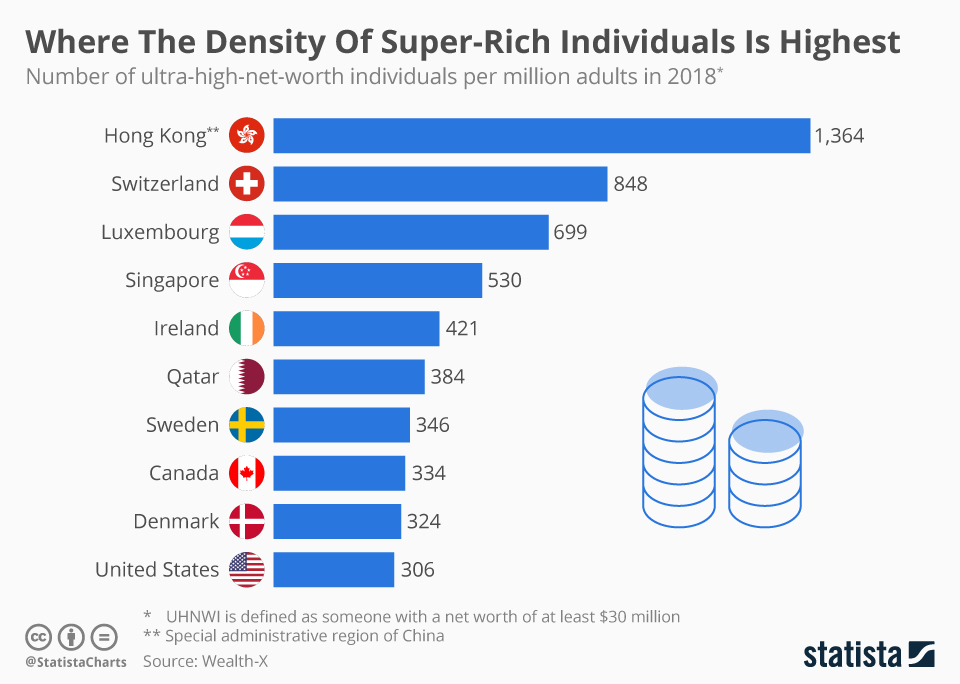
Note: An enormous transfer of wealth towards the super rich has taken place since the Covid 19 pandemic and again with the explosion of AI and worker displacement it is causing. Whilst historically a hard-sell, Ireland did once have a dedicated wealth tax during a brief period in the 1970´s. The world has a finite number of resources, assets and capital & growing wealth concentration is a natural tendency of capitalism over time. The distribution of that wealth should matter to all of us. Ultimately, if we believe in a post WW2 style of meritocracy where economic reward matches hard work and effort and not just what you happen to be born into, then we need to be open to depersonalizing this idea and engaging with this form of taxation once again.
3. A Data Centre Electricity Tax
Ireland’s digital economy has delivered jobs and investment, but it has also created an enormous demand for electricity. Now with AI, that demand is starting to explode.
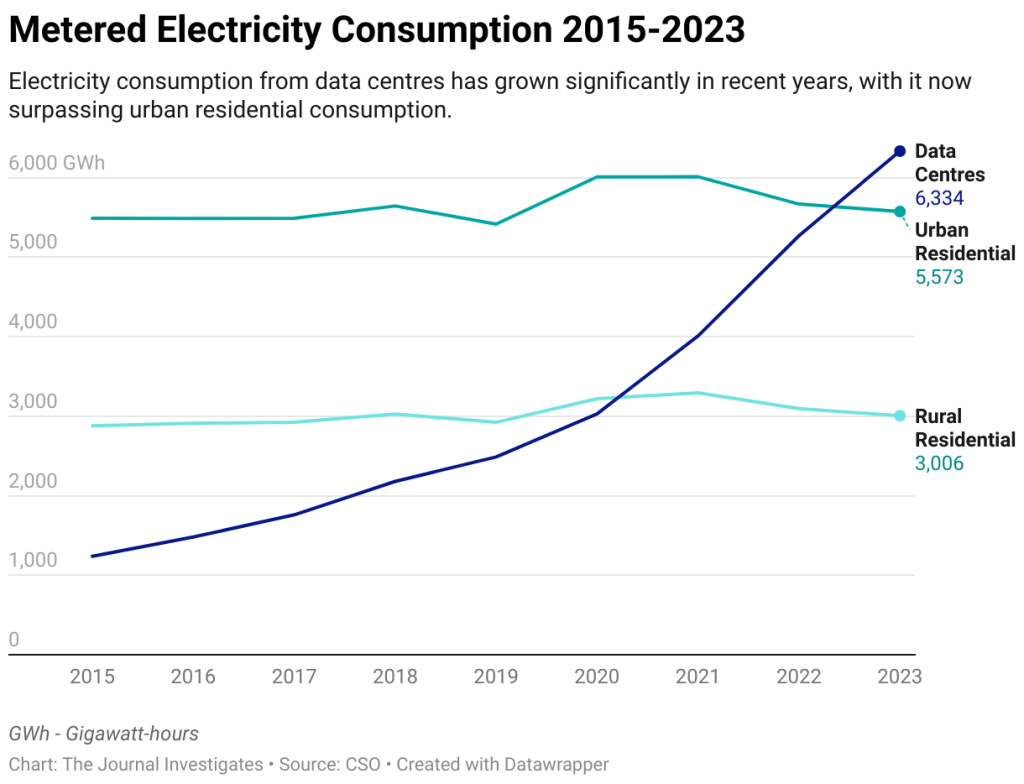
Data centres now consume more electricity than all of Ireland’s urban households combined, placing increasing pressure on the national grid and making it harder to decarbonise our electricity system. We already have over 120 data centres consuming our water for the cooling of computer GPU´s. As more facilities are built, they must contribute fairly towards the infrastructure they rely upon.
A dedicated electricity levy on large data centres would encourage greater efficiency while ensuring that companies benefiting from Ireland’s favourable business environment also help finance the energy transition, since Ireland´s energy mix continues to be dirtier than that of our nearest neighbours.

Reinvestment: The proceeds should be invested in expanding renewable electricity generation, strengthening the national grid, supporting battery storage and accelerating offshore wind development.
This would help ensure that future economic growth is powered by clean energy rather than fossil fuels.
4. A Climate Excise on Red Meat
Agriculture remains central to Ireland’s economy, culture and rural communities, but it is also our largest source of greenhouse gas emissions.
Most animal-based products require more energy to produce, although beef is the most inefficient. Meat production often requires extensive grasslands, which is often created by cutting down trees, releasing carbon dioxide stored in forest. This is particularly acute in countries like Brazil, where swathes of the Amazon are removed for agriculture. But Ireland also has a forestry rate well below the European average despite once being over 80% forest many centuries ago.
What´s more, switching from conventional meat to plant-based meat reduces energy use by up to 77% for beef, 33% for pork, and 34% for chicken. A climate excise on red meat should apply at the point of retail in supermarkets, not at the farm gate and not in local butcher shops that often support local supply chains and smaller producers. Farmers should not carry the burden of climate policy alone.
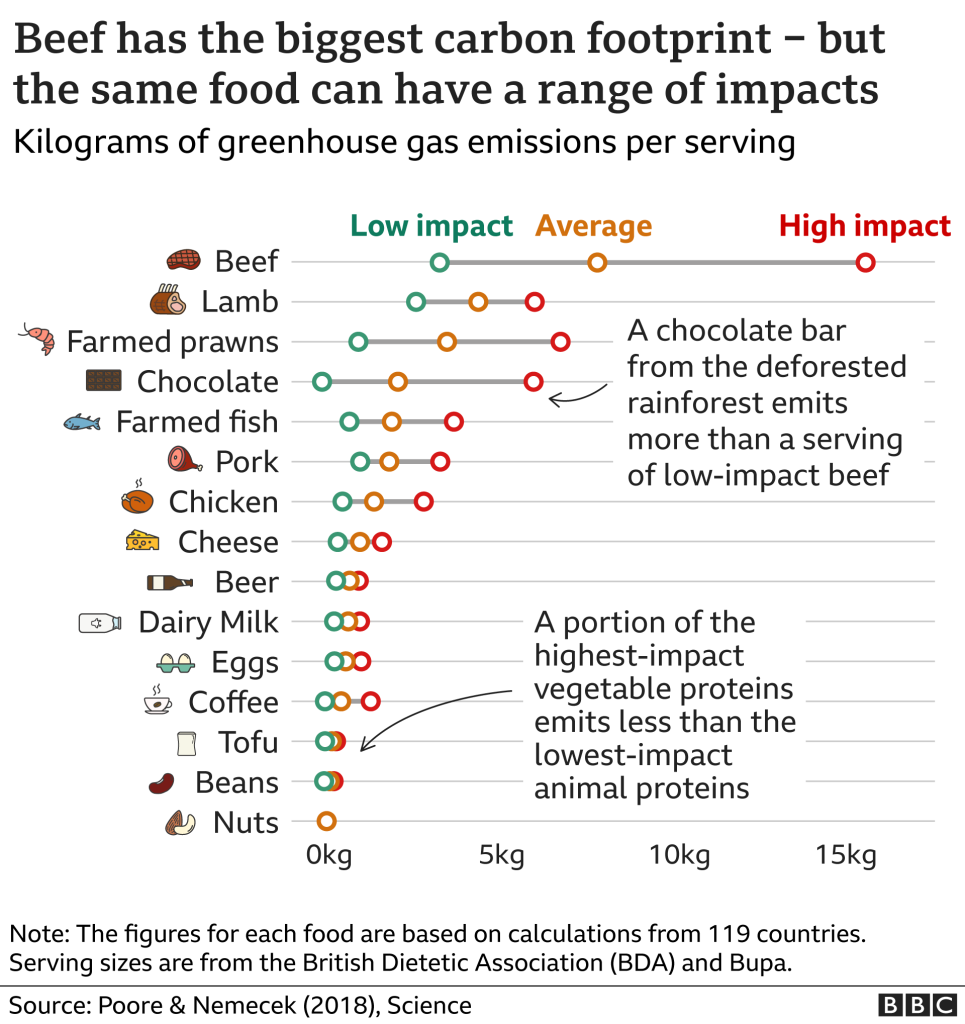
The objective is not to punish consumers or producers, but to gradually reflect the environmental cost of high volume industrial meat production while encouraging more sustainable consumption patterns.
Reinvestment: Every euro raised should be returned to rural Ireland through grants that help farmers transition towards premium quality production, organic farming, biodiversity restoration and other higher value agricultural enterprises.
Farmers should be rewarded for producing better food, not simply more food.
5. A Frequent Flyer Levy
As an island nation with limited sunshine, most Irish people are fond of flying. However, many may take just one annual holiday and travel abroad to visit family and friends. These journeys are an important part of life and should not be discouraged.
Should frequent flyers pay more for travel? Newstalk Podcast
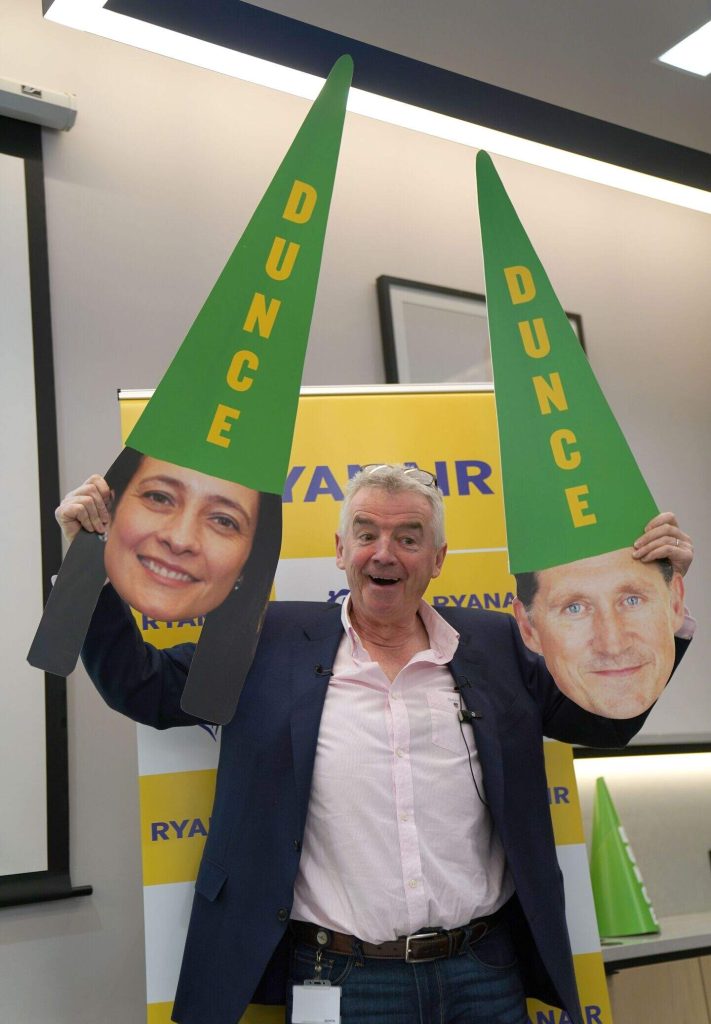
The greatest aviation emissions come from another cohort of people who fly repeatedly for discretionary purposes. Research shows that this cohort of people account for a disproportionately large share of flights. Many people who engage in this behaviour aren´t actually aware of the consequences of these actions over time. In fact, as a society, we have heavily invested in making sure that they don´t.
“You have things like frequent flyer points and all the rest but you should actually reverse that system,” – Environmental Journalist John Gibbons
Rather than taxing every passenger equally, Ireland should introduce a levy that applies only after a person exceeds a reasonable annual threshold of discretionary flights. The levy could be linked to passport records, allowing essential travel, including visits to family and friends, to remain outside the scheme. Younger adults, whose travel needs are often greater, could see a higher threshold.
Mr Gibbons stated that aviation was adversely impacting the climate and accounting for an ever increasing share of worldwide carbon emissions. He noted these emissions were caused by those living in “richer parts of the world,” like Ireland, as just 12.5% of the worldwide population has ever set foot on a plane.
He describes it as a “question of justice” and indeed it is.
Denmark, a global leader in tackling the climate crisis, has already introduced an aviation tax as part of its climate strategy. Ireland should go one step further by focusing on repeated discretionary flying rather than occasional travel. Those who choose to fly most often should contribute most towards reducing aviation’s environmental impact.
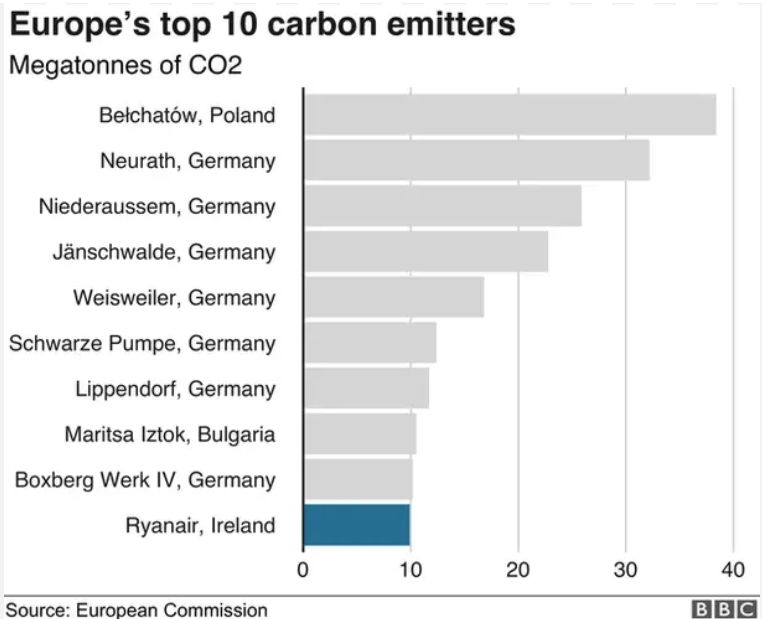
Reinvestment: The revenue should be invested in rail connectivity, sustainable aviation fuels, international rail links and research into low carbon transport technologies and improving passenger journey times between Dublin and London via Rail/Sail. Research by the Grantham Institute (Imperial College London) found that traveling from Dublin to London via a combined train and ferry (“Sail & Rail”) emits approximately 4 kg of CO₂, compared to roughly 74 kg of CO₂ for a direct economy flight. This reflects a carbon savings of about 95% when choosing surface-and-sea transit over flying.
Note: Dublin-London is our most frequent route (over 90 flights per day on average) and one of the busiest routes in the entire world.
The Destination Matters More Than the Journey
Climate policy is not about introducing taxes for their own sake. It is about changing behaviour, investing in better alternatives and ensuring the transition is fair. We need to sell people the destination, and help them to imagine it.
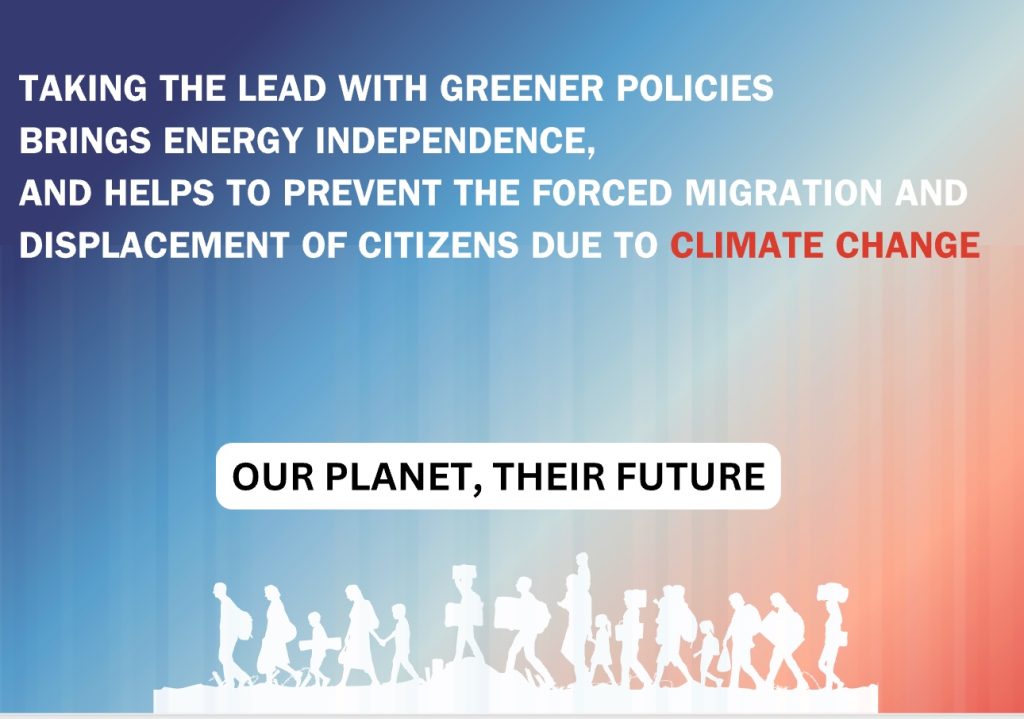
Ireland is a small country, but small countries have often led the way on major global challenges. As well as paying the billions of climate fines that we will now face in 2030, we should aspire to become one of Europe’s climate leaders, improving our standing in the Climate Change Performance Index rather than settling for mediocrity. Leadership at home also strengthens our credibility abroad. If Ireland wants the European Union to take stronger action against major emitters, or to challenge countries that fail to meet their environmental responsibilities, or help tackle the climate refugee crisis we must first demonstrate that we are willing to put our own house in order. We can then be amongst the first to feel the benefits.
These five measures are not simply about raising revenue. In an increasingly fragmented and unstable world, they are about creating a broadened tax system that is less reliant on a handful of multi-nationals (which have us tied up geo-politically), and more reflective of our future environmental reality which indicates an ever-increasing need for energy independence, green jobs and renewable sources, of which we have an abundance to tap into. In the meantime, those with the largest carbon footprints should make the greatest contribution, while every euro collected should help build cleaner transport, cleaner energy, healthier farming and a more sustainable economy. It´s not about equalizing outcomes. It´s about equalizing life opportunity.
The Road Ahead
Crucially, we need to take these measures at a time when public confidence internationally in the role and trustworthiness of government is at an all-time low. Voter turnout amongst the Irish electorate is also unfortunately at an all-time low although a poorly chosen election date and restrictive non-resident voting system probably didn´t help. Whilst the key to addressing turnout includes better education, government accountability and communication, one of the crucial challenges in our algorithmic social media economy will be simply getting enough people to pay attention. In the meantime, we should take care not to scapegoat one another for decisions and choices that have already been made. It´s unlikely to lead to a productive outcome. We´d spend our time better helping one another imagine a future that is cleaner and fairer.
Finally, we badly need to elect more politicians who are willing to look beyond their own careers; politicians that have the courage and political will to make unpopular decisions such as implementing some of these taxes, and suffer the considerable backlash they may receive from lobbyist groups as well as some of their constituents. Our best preparation as private citizens is to ensure we are registered to vote, so that we can elect the right people to guide us. In the meantime, whilst we wait for policymakers to catch up, we can be agents of change ourselves.
The instruction is simple, to cut our individual energy use and reject whataboutism. Then, and only then, can future generations of Irish children have the prospect of enjoying the long, healthy and fulfilling lives that they so fully deserve.

